Oxygen Cylinder for Home Use - Safe, Reliable Oxygen Support for Patients
Breathing is something we rarely think about—until it becomes difficult. For patients with respiratory conditions, low oxygen levels, or those recovering after hospitalisation, having an oxygen cylinder for home use can be essential. It ensures timely oxygen support, comfort, and peace of mind for both patients and their caregivers.
This guide is designed to help families understand when home oxygen is needed, how oxygen cylinders work, safety considerations, and how to choose the right oxygen support for a home patient.
Why an Oxygen Cylinder Is Needed for Home Patients
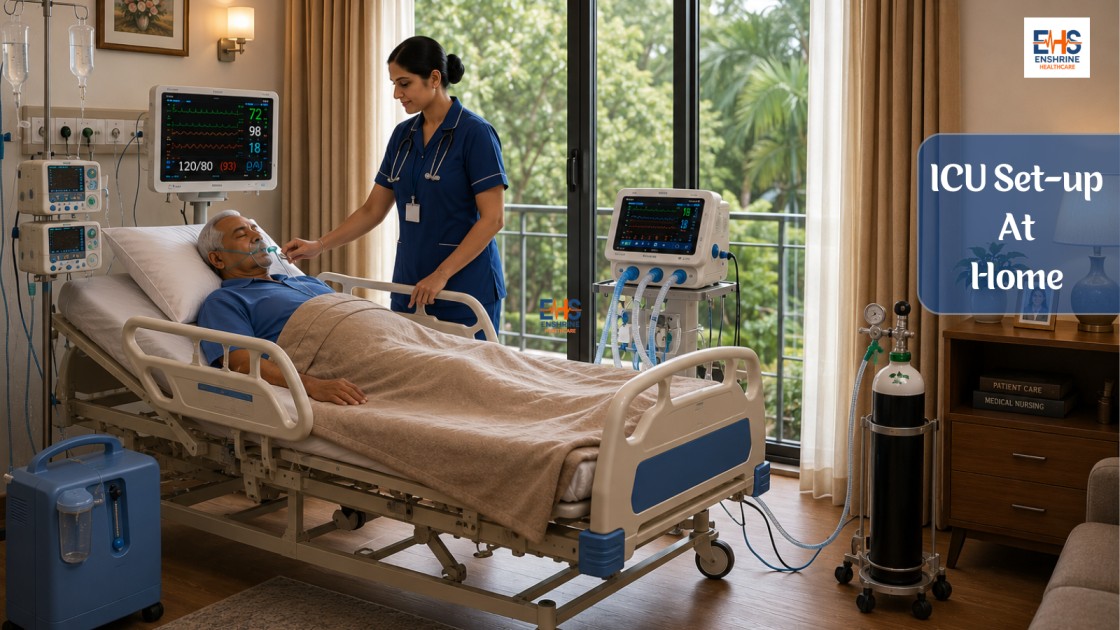
Doctors often recommend oxygen therapy when a patient’s oxygen saturation levels drop below the healthy range. In such cases, an oxygen cylinder for home patient care allows continuous oxygen support without frequent hospital visits.
Home oxygen therapy is commonly required for
- Elderly patients with breathing difficulties
- Post-COVID or pneumonia recovery
- Chronic lung conditions such as COPD or asthma
- Heart-related conditions affecting oxygen levels
- Patients discharged from the ICU or hospital care
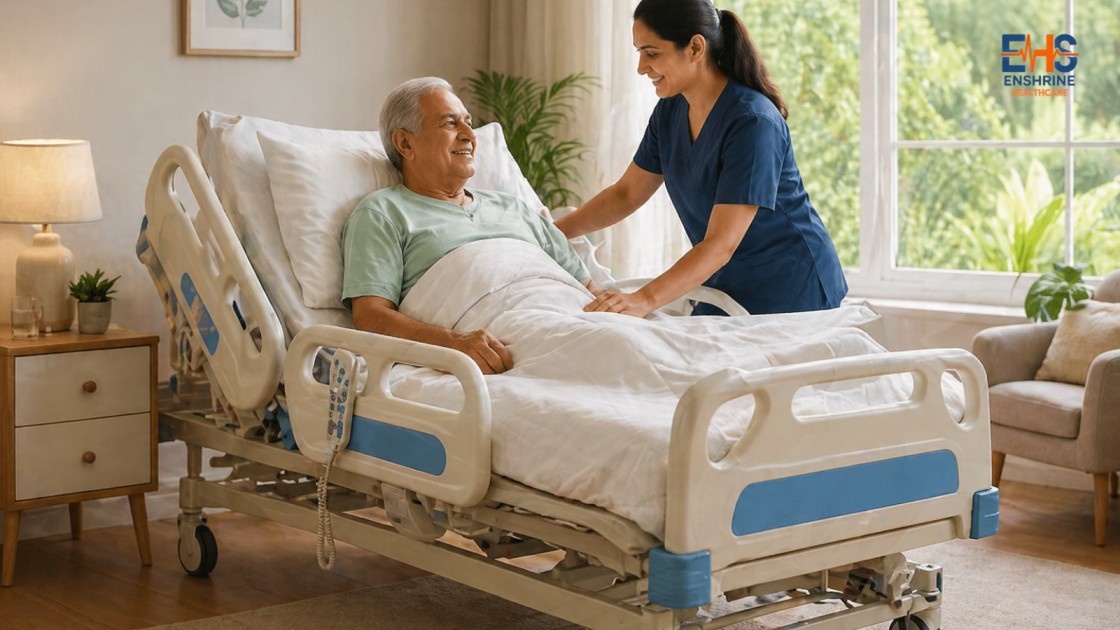
Using oxygen at home helps patients recover in a familiar environment while maintaining medical safety.
Challenges Without Reliable Home Oxygen Support
During emergencies, families often search urgently for an oxygen cylinder for home nearby without reliable access to oxygen, patients may experience
- Sudden oxygen shortages
- Delays in emergency care
- Increased physical discomfort and anxiety
- Higher risk of complications due to low oxygen levels
These challenges highlight the importance of having a dependable home oxygen solution in place.
Understanding How Oxygen Cylinders Work at Home
An oxygen cylinder stores compressed, medical-grade oxygen that is delivered to the patient through a mask or nasal cannula. Since the oxygen is already stored inside the cylinder, it is immediately available when needed.
An oxygen cylinder for medical use is manufactured and tested under strict quality standards to ensure oxygen purity and patient safety. This makes cylinders especially useful for emergencies and short-term oxygen requirements at home.
Oxygen Tank for Home Use vs Oxygen Concentrator
Many families are unsure whether to choose an oxygen tank or an oxygen concentrator. Here’s a simple comparison
Oxygen Tank (Cylinder)
- Contains pre-filled medical oxygen
- Does not require electricity
- Suitable for emergencies or backup use
- Portable options available
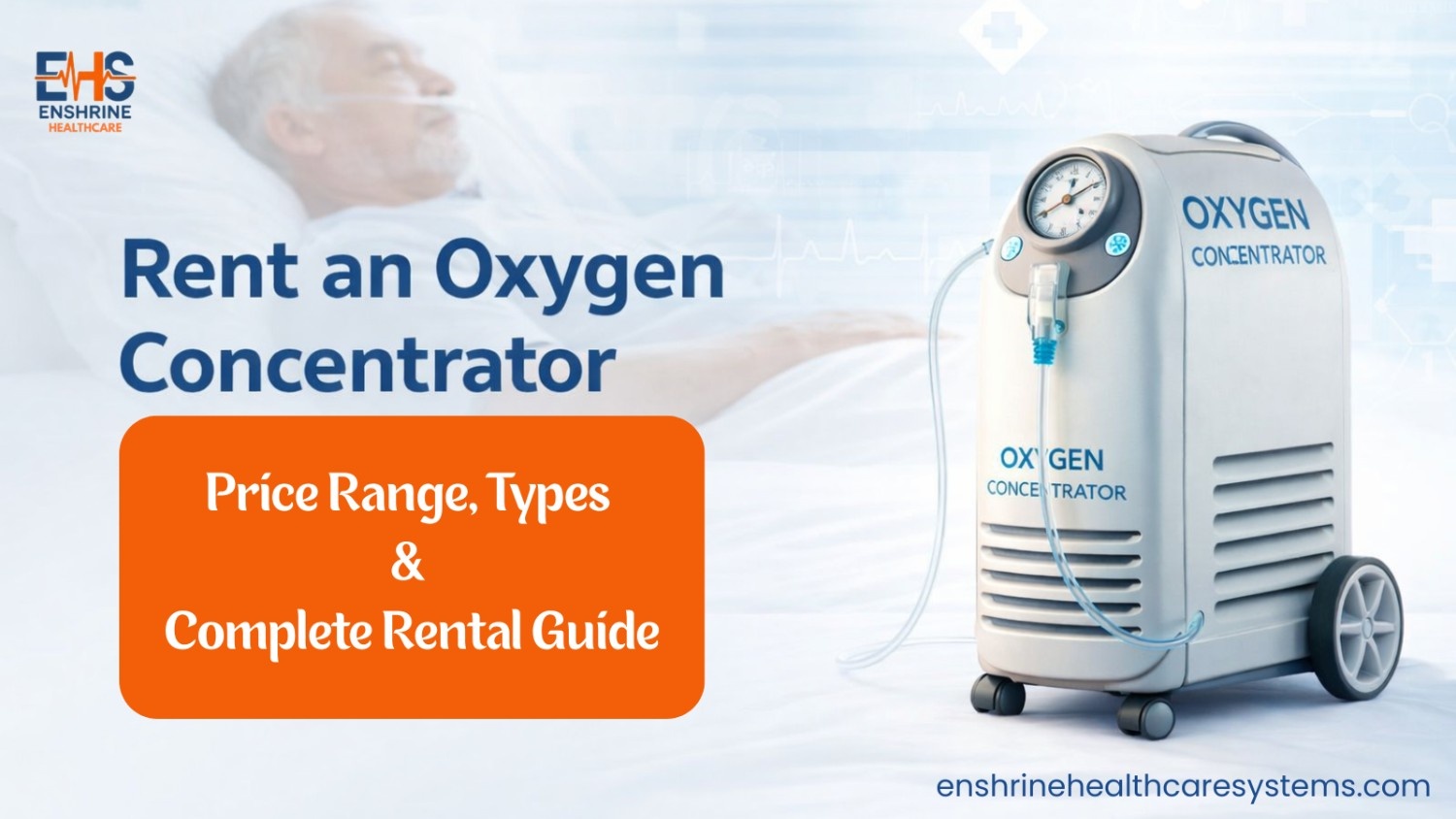
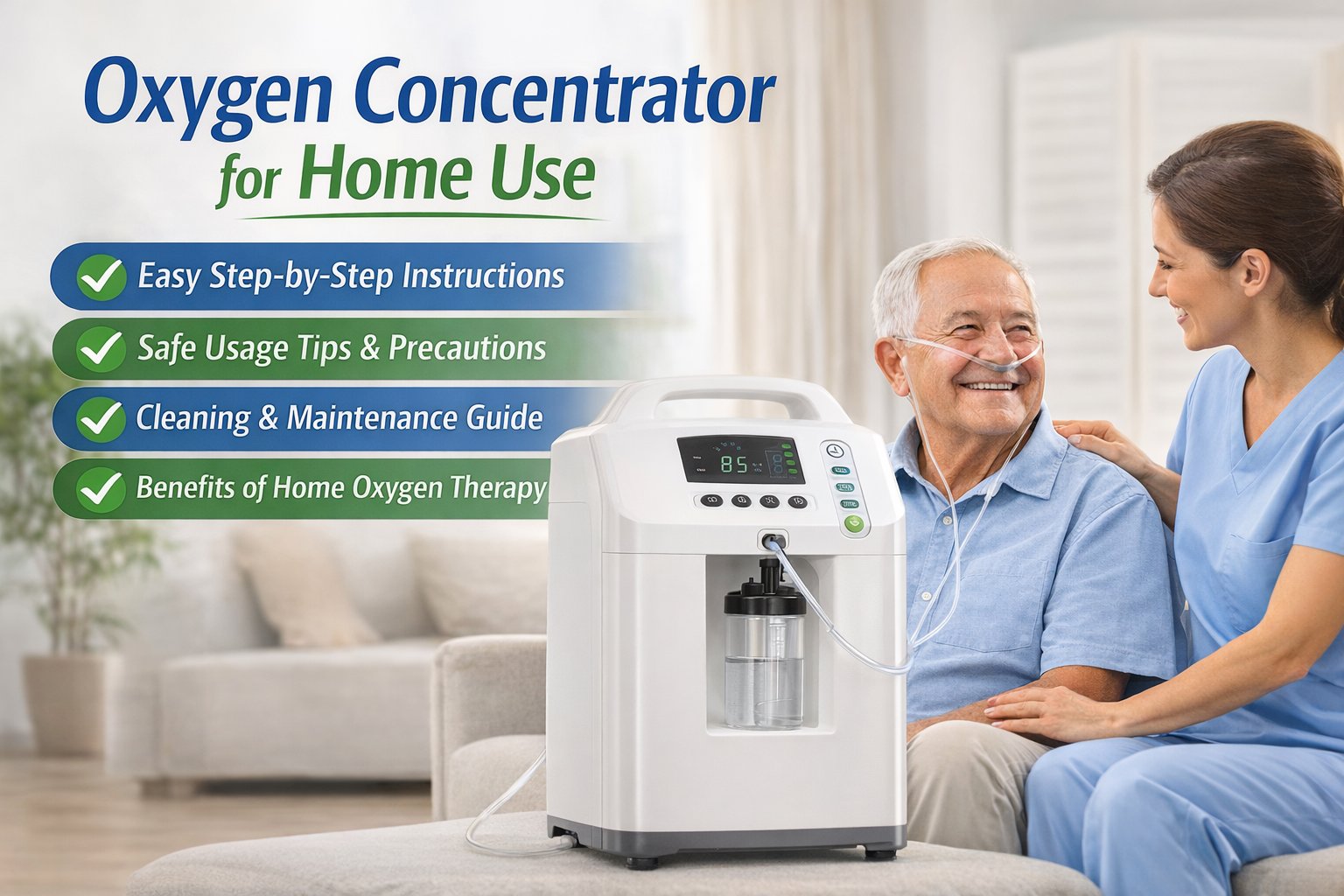
Oxygen Concentrator
- Produces oxygen from the surrounding air
- Requires a continuous power supply
- Ideal for long-term, continuous therapy
Both options serve different needs. A healthcare professional can help determine the most suitable choice based on the patient’s condition and prescribed oxygen flow rate.
Safety Matters Using Oxygen Cylinders at Home
While oxygen therapy is life-supporting, safety is extremely important. Proper handling ensures both patient well-being and household safety.
Key safety guidelines include
- Keep oxygen cylinders away from heat and open flames
- Do not allow smoking near oxygen equipment
- Store cylinders upright in a well-ventilated area
- Use only the prescribed oxygen flow rate
- Ensure regular equipment checks and maintenance
Using a certified oxygen cylinder for medical use and following safety instructions significantly reduces risks.
Reliable Home Oxygen Support from a Trusted Healthcare Provider
At Enshrine Healthcare Systems, we provide dependable home medical oxygen support designed around patient safety and comfort. Our focus is on supplying medical-grade oxygen solutions for home care, along with clear guidance to help families choose the right oxygen setup for their needs. With an emphasis on quality, reliability, and patient well-being, we support recovery and respiratory care at home with confidence and care.
Factors That Influence the Cost of Home Oxygen Cylinders
Families often ask about the oxygen cylinder for home use price before arranging oxygen support. The cost can vary depending on several factors, such as
- Cylinder size and oxygen capacity
- Duration of use (short-term or long-term)
- Rental versus purchase option
- Required accessories like regulators and masks
Similarly, the Price of oxygen cylinders for patients depends on medical requirements and usage duration. Understanding these factors helps families make informed and cost-effective decisions.
Who Should Consider an Oxygen Cylinder for Home Use?
Home oxygen cylinders are suitable for
- Patients needing temporary oxygen after hospital discharge
- Elderly individuals with fluctuating oxygen levels
- Emergency backup for concentrator users
- Families seeking immediate oxygen support at home
Always use oxygen therapy under medical advice to ensure safe and effective treatment.
Choosing the Right Oxygen Support for Your Home
Selecting the right oxygen solution depends on
- Doctor-prescribed oxygen flow rate
- Duration of oxygen therapy
- Mobility needs of the patient
- Availability of professional guidance
While online searches can provide information, expert support ensures patients receive the right oxygen solution, not just the fastest option.
Frequently Asked Questions About Oxygen Cylinders for Home Use
Is an oxygen cylinder safe to use at home?
Yes. When used under medical guidance and proper safety instructions, oxygen cylinders are safe for home use.
How do I know which oxygen cylinder size is right?
The correct size depends on oxygen flow rate, duration of use, and the patient’s condition. A healthcare provider can guide you.
Can oxygen cylinders be used during power cuts?
Yes. Oxygen cylinders do not require electricity, making them reliable during power outages.
Is an oxygen cylinder better than an oxygen concentrator?
Both have different uses. Cylinders are ideal for emergencies or short-term needs, while concentrators suit long-term therapy.
Do I need a doctor’s prescription for home oxygen?
Yes. Oxygen therapy should always be used with a doctor’s prescription to ensure safe and correct usage.