Home ICU Setup in Hyderabad
Home ICU Setup in Hyderabad - Complete Equipment Checklist, Cost, Requirements & Safety Guide (2026)
When a loved one is discharged from a hospital ICU, families are often left with a difficult question - how do we continue this level of care safely at home?
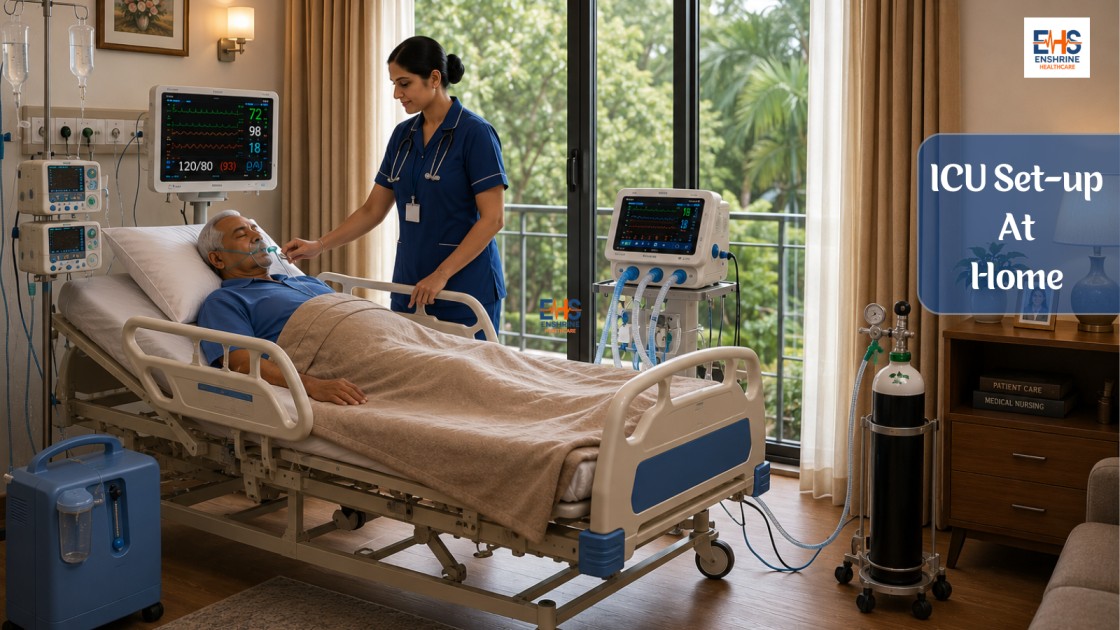
A Home ICU Setup allows patients to receive essential medical support in a familiar environment - helping them recover comfortably while staying close to family. With the right equipment and proper planning, critical care at home is more accessible than most families realise.
This guide covers everything you need to know about Home ICU Setup in Hyderabad - including who needs it, what equipment is required, room preparation, step-by-step setup process, estimated costs, and common mistakes to avoid.
Who Needs a Home ICU Setup?
A Home ICU Setup is recommended for patients who require continuous medical monitoring and specialized care after hospital discharge but are stable enough to receive treatment at home.
Common situations where a home ICU may be required include
Stroke Recovery Patients
Patients recovering from a stroke often require continuous monitoring, assisted mobility, oxygen support, and specialized nursing care during rehabilitation.
Patients Recovering After Major Surgery
Individuals recovering from cardiac surgery, neurological procedures, or other major operations may need close observation and medical equipment support for a certain period.
Patients Requiring Long-Term Oxygen Therapy
Patients with chronic respiratory conditions such as COPD, severe lung disease, or respiratory failure may require oxygen concentrators, oxygen cylinders, or BiPAP support at home.
Elderly Patients with Complex Medical Needs
Senior citizens with multiple health conditions may benefit from continuous monitoring, medication management, and supportive care in a familiar environment.
Neurological and Bedridden Patients
Patients with neurological disorders, paralysis, or limited mobility often require hospital beds, air mattresses, suction machines, and regular caregiver assistance.
Palliative and Critical Care Patients
For patients requiring long-term comfort-focused care, a Home ICU Setup can help provide medical support while allowing them to remain close to their family members.
Before arranging a Home ICU Setup, it is important to consult the treating physician to determine the level of care, equipment requirements, and monitoring needs based on the patient's condition.
Signs a Patient May Need Home ICU Care
Not every patient discharged from the hospital requires a Home ICU Setup. However, certain medical conditions and care requirements may indicate the need for continuous monitoring and specialized support at home.
You may need to consider a Home ICU Setup if the patient
Requires Continuous Oxygen Support
Patients who depend on oxygen therapy for several hours a day may need equipment such as an oxygen concentrator, oxygen cylinder, or BiPAP machine to maintain healthy oxygen levels.
Needs Regular Monitoring of Vital Signs
Patients with unstable medical conditions may require continuous monitoring of heart rate, blood pressure, oxygen saturation (SpO2), and respiratory rate using a patient monitor.
Is Bedridden or Has Limited Mobility
Patients who are unable to move independently often require a hospital bed, air mattress, wheelchair, and caregiver support to ensure comfort and prevent complications such as bed sores.
Requires Respiratory Assistance
Individuals recovering from severe respiratory illnesses or those with chronic lung conditions may need respiratory support devices such as BiPAP machines, CPAP machines, nebulizers, or suction machines.
Requires Frequent Nursing Care
Patients who need medication administration, wound care, feeding support, catheter management, or other specialized medical assistance may benefit from a structured Home ICU environment.
Has Recently Been Discharged from an ICU
Patients transitioning from a hospital ICU to home care often require continued monitoring and medical equipment to support a safe recovery process.
If any of these situations apply, consult your treating physician or healthcare provider to determine the appropriate level of care and equipment required for a safe Home ICU Setup.
Benefits of Home ICU Care
For patients who require ongoing medical support after hospital discharge, a Home ICU Setup can provide a balance between professional healthcare and the comfort of home. With proper equipment and medical supervision, patients can continue their recovery in a familiar environment without compromising on essential care.
Greater Comfort and Emotional Well-Being
Being surrounded by family members and familiar surroundings can help reduce stress and anxiety, contributing to a more comfortable recovery experience.
Personalized Patient Care
Unlike hospital settings, where healthcare professionals care for multiple patients, home-based care allows greater focus on the individual patient's needs and recovery plan.
Reduced Risk of Hospital-Acquired Infections
Patients recovering at home may have lower exposure to infections that can sometimes occur during prolonged hospital stays.
Better Family Involvement
Family members can actively participate in the patient's care, communicate more easily with healthcare providers, and provide emotional support throughout the recovery process.
Cost-Effective for Long-Term Care
For patients requiring extended monitoring and medical support, a Home ICU Setup can often be a practical alternative to prolonged hospitalization, especially when equipment is available on a rental basis.
Improved Quality of Life
Home ICU care allows patients to receive essential medical support while remaining in a familiar and comfortable environment, which can positively impact their overall well-being and recovery journey.
Complete Home ICU Equipment Checklist
The equipment required for a Home ICU Setup depends on the patient's medical condition, the doctor's recommendations, and the level of care needed. While some patients may require only basic monitoring and oxygen support, others may need advanced respiratory and critical care equipment.
The following checklist covers the most commonly required equipment for a safe and effective Home ICU Setup.
|
Equipment |
Purpose |
|
ICU Hospital Bed |
Patient positioning, comfort, and caregiver convenience |
|
Air Mattress |
Helps prevent bed sores and improves comfort |
|
Provides continuous oxygen therapy |
|
|
Oxygen Cylinder |
Backup oxygen supply during emergencies or power outages |
|
BiPAP/CPAP Machine |
Supports patients with breathing difficulties |
|
Patient Monitor |
Monitors vital signs such as SpO2, heart rate, and blood pressure |
|
Suction Machine |
Removes secretions and helps maintain airway clearance |
|
Nebulizer |
Delivers respiratory medications directly to the lungs |
|
Infusion Pump |
Ensures accurate delivery of medications and fluids |
|
Wheelchair |
Supports safe patient mobility and transportation |
Recommended Home ICU Equipment Based on Patient Condition
Not every patient requires the same Home ICU Setup. The equipment needed depends on the patient's medical condition, level of dependency, and the doctor's recommendations. Understanding the right equipment for the patient's needs can help ensure effective care while avoiding unnecessary costs.
|
Patient Condition |
Commonly Recommended Equipment |
|
Stroke Recovery |
Hospital Bed, Air Mattress, Wheelchair, Patient Monitor |
|
COPD & Chronic Respiratory Diseases |
Oxygen Concentrator, BiPAP Machine, Nebulizer, Patient Monitor |
|
Post-Surgery Recovery |
Hospital Bed, Patient Monitor, Wheelchair |
|
Neurological Disorders |
Hospital Bed, Suction Machine, Air Mattress, Patient Monitor |
|
Long-Term Bedridden Patients |
Hospital Bed, Air Mattress, Wheelchair |
|
Patients Requiring Oxygen Therapy |
Oxygen Concentrator, Oxygen Cylinder, Patient Monitor |
|
Critical Care Recovery Patients |
Hospital Bed, Patient Monitor, Oxygen Support Equipment, Suction Machine |
Stroke Recovery Patients
Stroke patients often require mobility assistance, pressure sore prevention, and continuous monitoring during rehabilitation. A hospital bed, air mattress, and wheelchair are commonly recommended to support recovery and improve comfort.
Patients with Respiratory Conditions
Individuals with COPD, chronic lung disease, or respiratory failure may require oxygen therapy and breathing support devices such as oxygen concentrators, BiPAP machines, and nebulizers.
Post-Surgical Recovery Patients
Patients recovering from major surgeries may need adjustable hospital beds, patient monitoring equipment, and mobility aids to assist with recovery and reduce physical strain.
Neurological and Bedridden Patients
Patients with paralysis, neurological disorders, or limited mobility often benefit from specialized beds, air mattresses, suction machines, and continuous monitoring to help prevent complications.
Critical Care Recovery Patients
Patients transitioning from a hospital ICU to home care may require a combination of monitoring equipment, oxygen support, and nursing assistance, depending on their condition and treatment plan.
Since every patient's needs are different, it is always advisable to consult a healthcare professional before selecting equipment for a Home ICU Setup.
Room Requirements for a Home ICU Setup
A successful Home ICU Setup requires more than just medical equipment. The room should be planned carefully to ensure patient safety, caregiver convenience, and uninterrupted operation of critical medical devices.
Before installing ICU equipment at home, consider the following requirements.
Adequate Space for Equipment and Caregiving
The room should have sufficient space to accommodate a hospital bed, oxygen equipment, a patient monitor, and other essential devices. Caregivers and healthcare professionals should also be able to move around the patient comfortably when providing care.
Reliable Power Supply
Many Home ICU devices depend on electricity for continuous operation. Equipment such as oxygen concentrators, patient monitors, BiPAP machines, and suction machines requires a stable power source.
To avoid interruptions, it is advisable to have
- Power backup through an inverter or UPS
- Proper electrical outlets near the patient's bed
- Surge protection for sensitive medical equipment
Proper Ventilation and Air Circulation
Good airflow helps maintain a comfortable environment for both the patient and caregivers. A well-ventilated room can also help reduce discomfort during long-term recovery.
Easy Accessibility
The room should allow easy access for
- Family members
- Caregivers
- Nursing staff
- Medical professionals
- Emergency personnel if required
If possible, choose a room that minimizes the need to navigate stairs frequently.
Adequate Lighting
Good lighting helps caregivers monitor the patient's condition, administer medications safely, and operate medical equipment effectively.
A combination of natural daylight and sufficient artificial lighting is generally recommended.
Hygiene and Clean Environment
The patient's room should be kept clean and organized to support recovery and reduce the risk of infections.
Some simple measures include
- Regular cleaning of surfaces
- Proper waste disposal
- Routine equipment maintenance
- Keeping unnecessary items away from the patient area
Emergency Preparedness
Every Home ICU room should be prepared for unexpected situations.
It is recommended to keep:
- Backup oxygen cylinder
- Emergency contact numbers
- Essential medications
- Spare consumables and accessories
- Power backup system
Proper room preparation helps create a safer and more efficient environment for patients requiring critical care at home.
How to Set Up a Home ICU Step-by-Step Process
Setting up an ICU at home requires proper planning, the right medical equipment, and professional guidance. Following a structured process can help ensure the patient receives safe and effective care in a home environment.
Step 1: Consult the Treating Doctor
Before arranging a Home ICU Setup, consult the patient's doctor to understand:
- Level of care required
- Oxygen requirements
- Monitoring needs
- Respiratory support requirements
- Nursing care recommendations
The doctor's assessment helps determine which equipment is necessary for the patient's condition.
Step 2: Evaluate the Room
Choose a room that provides enough space for
- Hospital bed
- Oxygen equipment
- Patient monitor
- Caregiver movement
- Emergency access
The room should have proper ventilation, lighting, and a reliable power supply.
Step 3: Arrange the Required Medical Equipment
Based on the doctor's recommendations, install the necessary equipment such as
- ICU hospital bed
- Air mattress
- Oxygen concentrator
- Oxygen cylinder
- BiPAP or CPAP machine
- Patient monitor
- Suction machine
- Wheelchair
Ensure all equipment is tested before patient use.
Step 4: Set Up Power Backup and Emergency Support
Since several ICU devices depend on electricity, backup arrangements are essential.
Recommended preparations include
- Inverter or UPS backup
- Backup oxygen cylinder
- Emergency contact list
- Spare consumables and accessories
These precautions help minimize disruptions during emergencies.
Step 5: Train Family Members and Caregivers
Caregivers should understand
- Basic equipment operation
- Emergency procedures
- Oxygen safety practices
- Patient positioning techniques
- When to contact medical professionals
Proper training helps improve patient safety and confidence among family members.
Step 6: Arrange Professional Medical Support
Depending on the patient's condition, additional support may be required from
- Home nurses
- Physiotherapists
- Respiratory therapists
- Visiting doctors
Regular medical supervision helps ensure the patient's recovery progresses safely.
Step 7: Monitor and Review the Patient's Condition
A Home ICU Setup should be reviewed regularly to ensure equipment and care requirements continue to match the patient's medical needs.
Any changes in the patient's condition should be discussed with the treating doctor so that the care plan can be adjusted accordingly.
With proper planning and medical guidance, a Home ICU Setup can provide safe, effective, and comfortable care for patients recovering at home.
Home ICU Setup Cost in Hyderabad
One of the most common questions families ask is, "How much does a Home ICU Setup cost in Hyderabad?"
The total cost depends on several factors, including the patient's medical condition, the type of equipment required, the duration of use, and whether additional nursing or caregiver support is needed.
Since every patient has unique healthcare requirements, there is no one-size-fits-all cost for a Home ICU Setup.
Factors That Affect Home ICU Setup Cost
The overall cost may vary based on
- Type of hospital bed required
- Oxygen therapy requirements
- Need for BiPAP or CPAP support
- Patient monitoring requirements
- Duration of equipment rental
- Nursing or caregiver services
- Additional accessories and consumables
Why Many Families Choose Equipment Rental
For patients requiring short-term or long-term critical care at home, renting medical equipment is often more practical than purchasing it.
Benefits of renting include
- Lower initial investment
- Access to well-maintained equipment
- Equipment upgrades when required
- Professional installation and support
- Flexibility based on changing patient needs
Request a Customized Assessment
Since equipment requirements differ from patient to patient, it is advisable to consult a healthcare professional and discuss the patient's condition before selecting a Home ICU Setup.
A proper assessment helps ensure that the patient receives the right equipment and level of support while avoiding unnecessary expenses.
Common Home ICU Equipment Rental Charges in Hyderabad
| Equipment | Starting Rental Price |
| Hospital Bed | ₹ 2500 - ₹ 6000 / month |
| Oxygen Concentrator | ₹ 3000 - ₹ 6500 / month |
| BiPAP Machine | ₹ 3500 - ₹ 5500 / month |
| Patient Monitor | ₹ 4000 - ₹ 5000 / month |
| Wheelchair | ₹ 1000 - ₹ 6000 / month |
Rental prices may vary depending on model, duration, and availability.
Common Mistakes Families Make During Home ICU Setup
Setting up an ICU at home requires careful planning and the right medical support. While most families focus on arranging equipment, certain common mistakes can affect patient safety, comfort, and recovery.
Choosing Equipment Without Medical Advice
Every patient's condition is different. Renting or purchasing equipment without consulting the treating doctor may result in unnecessary expenses or inadequate medical support.
Not Keeping a Backup Oxygen Source
Patients receiving oxygen therapy should always have a backup oxygen cylinder available. Relying solely on an oxygen concentrator can create challenges during power outages or unexpected equipment issues.
Ignoring Power Backup Requirements
Many Home ICU devices depend on electricity for continuous operation. Failing to arrange a reliable inverter or UPS backup may interrupt critical patient care.
Selecting an Inadequate Room
A room with limited space, poor ventilation, or insufficient electrical access can make caregiving difficult and affect the safe operation of medical equipment.
Delaying Equipment Maintenance
Regular inspection and maintenance help ensure that medical equipment functions correctly. Ignoring maintenance schedules may increase the risk of equipment failure when it is needed most.
Underestimating Caregiver Support
Even with advanced medical equipment, patients often require assistance with mobility, medication management, hygiene, and daily care. Families should assess caregiver requirements before setting up a Home ICU.
Failing to Plan for Emergencies
Emergency contact numbers, backup oxygen support, and essential medical supplies should always be readily available. Being prepared can help families respond quickly to unexpected situations.
By avoiding these common mistakes and following professional medical guidance, families can create a safer and more effective Home ICU environment for their loved ones.
Frequently Asked Questions (FAQs)
1. How quickly can a Home ICU Setup be arranged in Hyderabad?
The setup time depends on the equipment required and the patient's condition. In many cases, essential equipment such as hospital beds, oxygen concentrators, patient monitors, and BiPAP machines can be installed within a short period after the requirements are confirmed.
2. Can I rent Home ICU equipment instead of purchasing it?
Yes. Many families prefer to rent equipment such as hospital beds, oxygen concentrators, BiPAP machines, patient monitors, wheelchairs, and suction machines, especially when the need is temporary or recovery-related.
3. What is the most important equipment required for a Home ICU Setup?
The equipment varies based on the patient's condition. However, commonly used equipment includes an ICU hospital bed, oxygen concentrator, oxygen cylinder, patient monitor, air mattress, BiPAP machine, and suction machine.
4. Is a backup oxygen cylinder necessary if an oxygen concentrator is being used?
Yes. An oxygen cylinder is recommended as a backup oxygen source during power outages or unexpected equipment issues. This is particularly important for patients who depend on continuous oxygen therapy.
5. Can a Home ICU Setup support patients recovering after a hospital ICU discharge?
Yes. Many patients recovering from stroke, major surgery, respiratory illness, or critical care treatment continue their recovery at home with appropriate medical equipment, monitoring, and professional healthcare support.
6. What should I check before choosing Home ICU equipment on rent?
Families should consider the patient's medical requirements, equipment quality, service support, maintenance availability, and delivery assistance. It is also advisable to follow the treating doctor's recommendations before selecting equipment.
7. Do Home ICU patients require a full-time nurse?
Not all patients require round-the-clock nursing care. The level of support depends on the patient's medical condition, mobility, monitoring requirements, and treatment plan prescribed by the doctor.
8. What are the key room requirements for setting up an ICU at home?
A Home ICU room should have adequate space, proper ventilation, reliable power supply, easy caregiver access, and sufficient room for essential medical equipment such as hospital beds, oxygen support systems, and patient monitors.
Conclusion
A Home ICU Setup, when planned with proper medical guidance, can help patients receive safe and effective care in the comfort of their home while remaining close to their loved ones.
If you are considering a Home ICU Setup in Hyderabad, consult your treating doctor to determine the appropriate equipment and level of care based on the patient's condition.
For hospital beds, oxygen concentrators, BiPAP machines, patient monitors, and complete Home ICU Setup solutions with rental and delivery support across Hyderabad, contact Enshrine Healthcare Systems at 77020 71900.