How to Use an Oxygen Concentrator at Home Safely (Beginner’s Guide)
Using an oxygen concentrator at home can be life-changing for patients who struggle with breathing problems. However, for first-time users and caregivers, operating the machine correctly can feel confusing and even overwhelming. Questions like how to use an oxygen concentrator, whether it is safe for long hours, or why the oxygen machine is beeping are very common.
This beginner’s guide is designed to help you understand how to use an oxygen concentrator at home safely, step by step. Whether the equipment is recommended after hospital discharge or for long-term respiratory support, knowing the correct usage, safety precautions, and maintenance will ensure better comfort and peace of mind for both patients and caregivers.
What Is an Oxygen Concentrator?
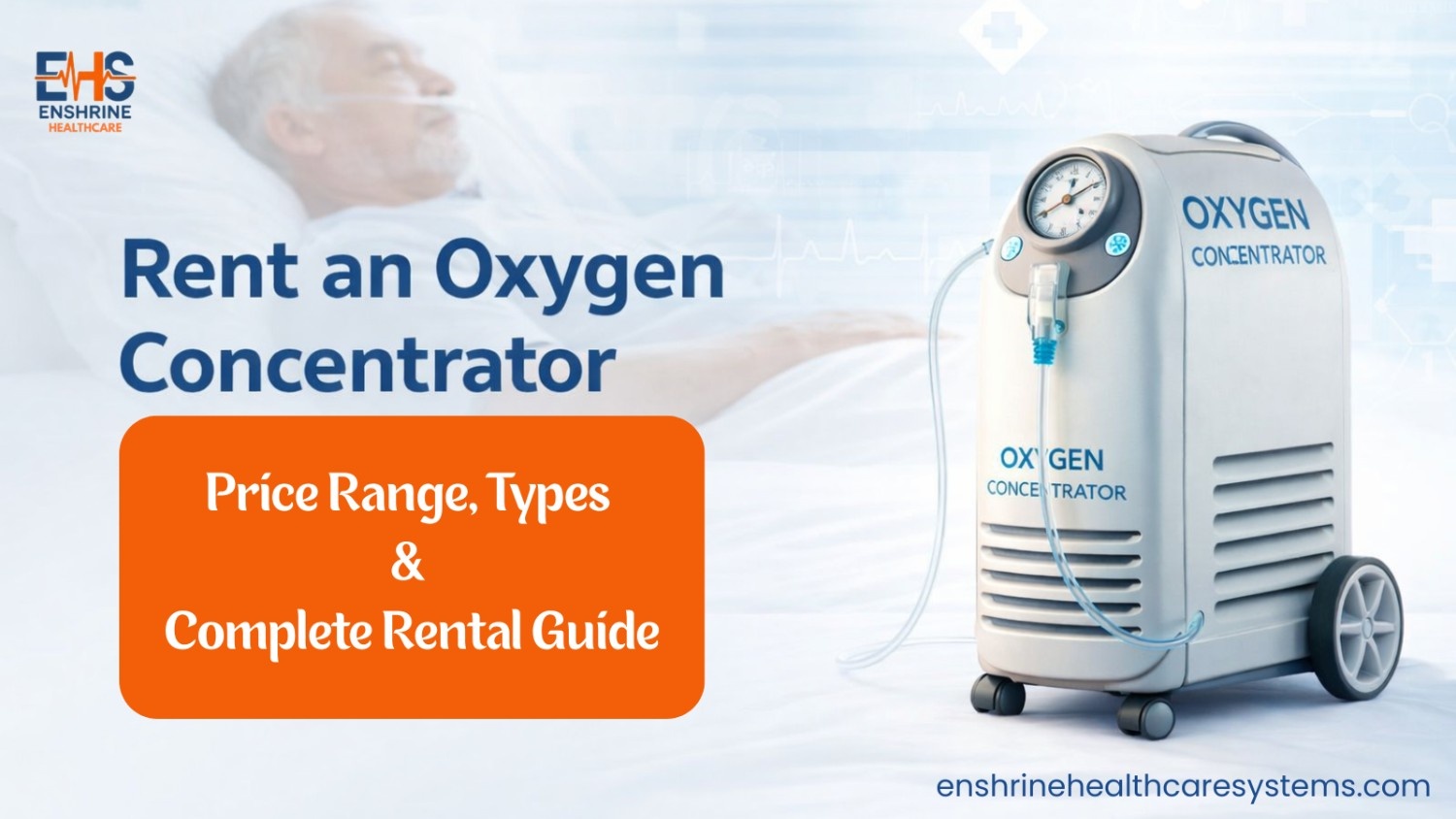
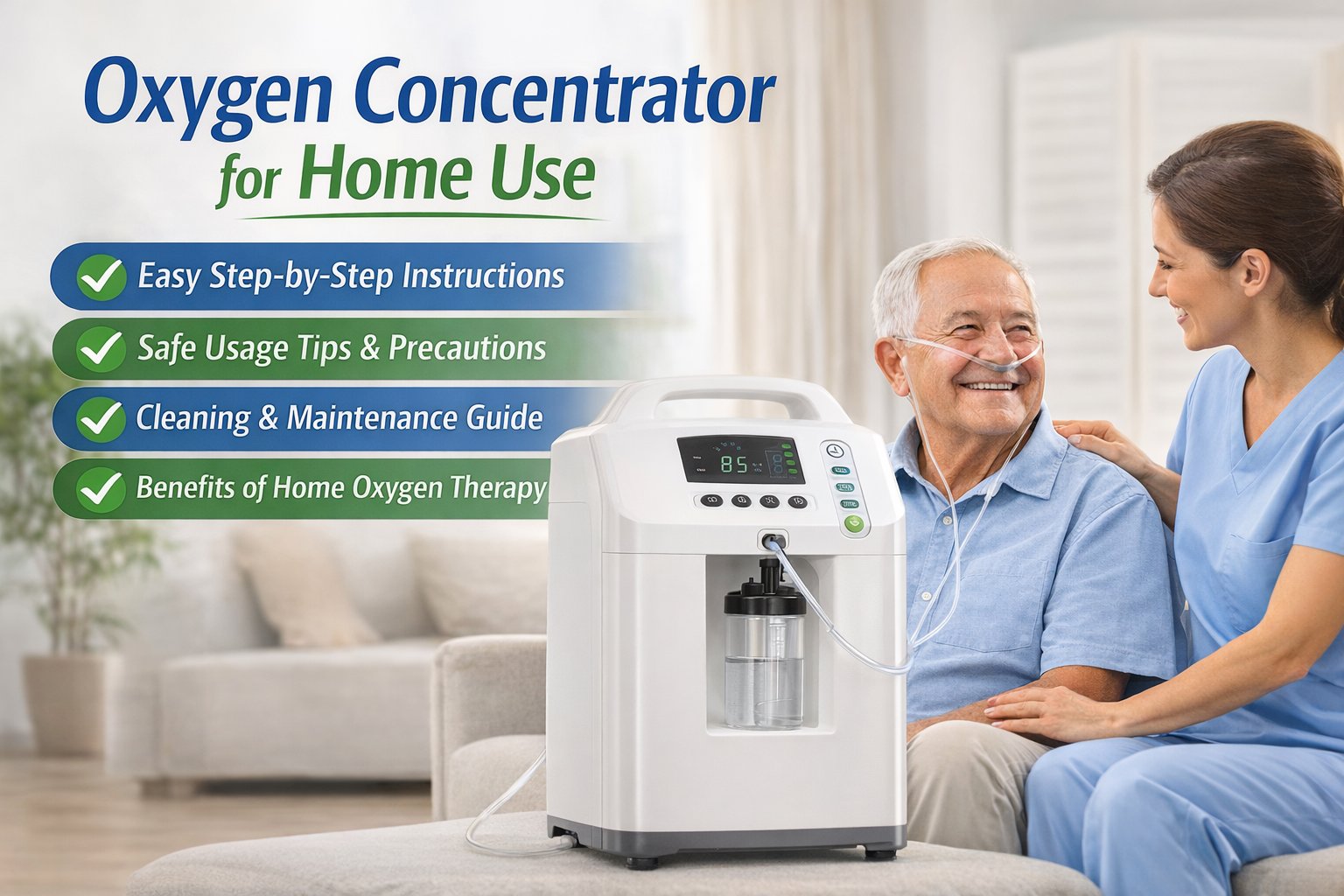
An oxygen concentrator is a medical device that provides supplemental oxygen to patients who have difficulty breathing on their own. Unlike oxygen cylinders that store oxygen, an oxygen concentrator draws in air from the surroundings, removes nitrogen, and delivers purified oxygen to the patient.
Oxygen concentrators are commonly used for
- Chronic Obstructive Pulmonary Disease (COPD)
- Post-COVID respiratory recovery
- Asthma and lung infections
- Elderly patients with low oxygen saturation
- Long-term oxygen therapy at home
Because it provides a continuous supply of oxygen, an oxygen concentrator is often preferred for home use compared to cylinders.
How Does an Oxygen Concentrator Work?
Understanding how an oxygen concentrator works helps users operate it with confidence.
The machine pulls in normal air from the room, which contains around 21% oxygen. Inside the concentrator, filters and sieve beds separate nitrogen from the air. The remaining oxygen—usually concentrated up to 90–95% purity—is delivered to the patient through a nasal cannula or oxygen mask.
Most oxygen concentrators run on electricity and are designed for continuous operation, making them suitable for oxygen therapy at home.
How to Use an Oxygen Concentrator at Home (Step-by-Step)
This is the most important section for first-time users. Follow these steps carefully to ensure safe and effective oxygen delivery.
Step 1: Choose the Right Place at Home
Place the oxygen concentrator in
- A well-ventilated area
- At least 1–2 feet away from walls or furniture
- A dry and dust-free environment
Avoid placing the machine near curtains, beds, or heat sources. Proper airflow is essential for the concentrator to function efficiently.
Step 2: Connect the Accessories Properly
Before switching on the machine
- Attach the oxygen tubing firmly to the outlet
- Connect the nasal cannula or oxygen mask
- If prescribed, fill the humidifier bottle with clean distilled water and attach it correctly
Ensure there are no bends or kinks in the tubing, as this can restrict oxygen flow.
Step 3: Set the Prescribed Oxygen Flow
Always follow the doctor’s prescription for oxygen flow rate (measured in litres per minute).
- Use the flow meter knob to set the recommended level
- Never increase or decrease oxygen flow without medical advice
- Excess oxygen can be harmful, especially for long-term users
This step is crucial when learning how to operate an oxygen concentrator safely.
Step 4: Start the Oxygen Concentrator
Once everything is connected
- Switch on the power button
- Allow the machine a few seconds to stabilize
- Check that oxygen is flowing through the cannula or mask
Ensure the patient is comfortable and breathing normally.
Step 5: Monitor the Patient During Use
While the oxygen concentrator is in use
- Observe breathing patterns
- Check oxygen saturation levels if a pulse oximeter is available
- Look out for discomfort, dryness, or irritation
If the patient feels dizzy, uncomfortable, or short of breath, stop the machine and contact a healthcare professional immediately.
Safety Tips While Using an Oxygen Concentrator at Home
Using an oxygen concentrator at home is generally safe when proper precautions are followed.
Important safety tips
- Do not smoke or use open flames near the machine, as oxygen increases the risk of fire
- Keep the concentrator away from gas stoves, candles, and heat sources to prevent accidents
- Ensure proper electrical grounding to avoid power issues or device malfunction
- Avoid using extension cords unless recommended, as they can cause overheating
- Keep the machine clean and dry to maintain performance and hygiene
Following these guidelines helps prevent accidents and ensures safe oxygen therapy at home.
Why Is My Oxygen Concentrator Beeping?
A beeping oxygen machine can cause panic, but it usually indicates a common issue.
Possible reasons include
- Power interruption or loose plug
- Blocked or dirty filter
- Kinked oxygen tubing
- Low oxygen purity
- Overheating due to poor ventilation
What to do
- Check the power supply
- Straighten the tubing
- Clean or replace filters if needed
Ensure proper airflow around the machine
If the beeping continues, contact technical support instead of attempting repairs yourself.
How to Clean and Maintain an Oxygen Concentrator
Proper cleaning and maintenance improve performance and extend the machine’s life.
Cleaning the Oxygen Concentrator Filter
- Remove the filter as per the manufacturer's instructions
- Wash with mild soap and clean water
- Allow it to dry completely before reinserting
Clean filters at least once a week or as advised
General Maintenance Tips
- Wipe the exterior regularly
- Keep vents dust-free
- Check tubing and accessories for wear
- Schedule professional servicing periodically
Regular maintenance ensures safe and uninterrupted oxygen delivery.
Oxygen Concentrator for Home Use – Price & Availability
The price of an oxygen concentrator for home use depends on
- Oxygen flow capacity (5L, 10L, etc.)
- Brand and features
- Portability and noise levels
Many families choose oxygen concentrator rental instead of purchasing, especially for short-term medical needs. Renting reduces costs and includes service support, making it a practical solution for home care.
When Should You Choose Professional Support?
Using an oxygen concentrator becomes easier with proper guidance, especially for
- First-time users
- Elderly or critical patients
- Long-term oxygen therapy
Professional healthcare providers like Enshrine Healthcare Systems offer oxygen concentrators for home use with proper installation, demonstration, and ongoing support. This ensures patients receive oxygen therapy safely and caregivers feel confident managing the equipment at home.
Frequently Asked Questions (FAQs)
1. How many hours can an oxygen concentrator be used daily?
Most oxygen concentrators are designed for continuous use and can run for several hours or even 24/7, depending on the model and prescription.
2. Can an oxygen concentrator be used overnight?
Yes, oxygen concentrators are commonly used overnight, especially for patients with sleep-related breathing issues, if prescribed by a doctor.
3. Is an oxygen concentrator safe for elderly patients?
Yes, it is safe when used correctly under medical guidance and with proper monitoring.
4. Does an oxygen concentrator require regular servicing?
Yes, periodic servicing ensures proper oxygen purity and machine efficiency.
5. Can I rent an oxygen concentrator for home use?
Yes, many healthcare providers offer oxygen concentrator rental with installation and support, which is cost-effective for short-term needs.
Conclusion
Learning how to use an oxygen concentrator at home safely is essential for effective oxygen therapy and patient comfort. With the right setup, proper usage, regular cleaning, and safety precautions, oxygen concentrators can significantly improve the quality of life for patients with breathing difficulties.
Always follow medical advice and seek professional support when needed. With proper guidance and reliable equipment, home oxygen therapy can be safe, comfortable, and stress-free for both patients and caregivers.